
Source of this article:【聯合新聞網】
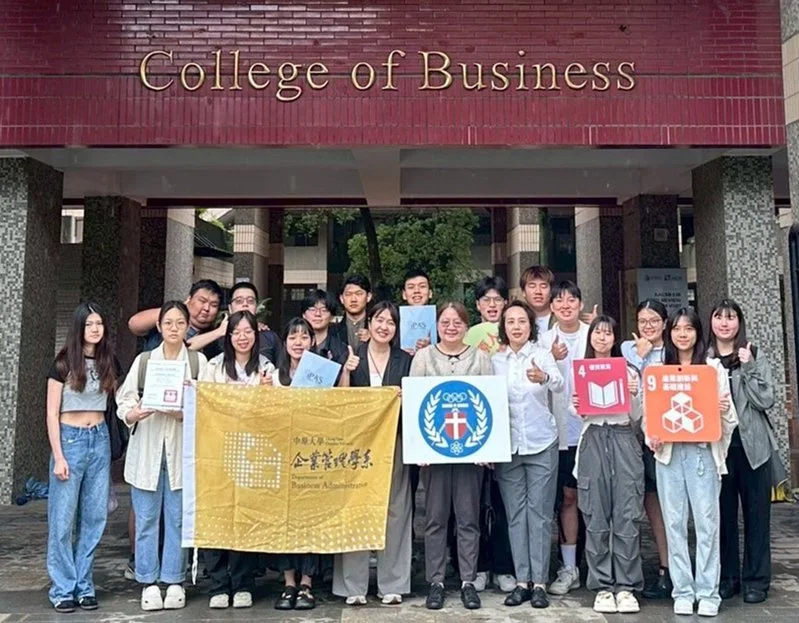
The College of Business is building a new paradigm for future business talent through “ESG + AI”, with five departments working together, global integration, and alumni demonstrating cross-disciplinary influence.
At a time of rapid transformation in the global business environment, fast-growing artificial intelligence technologies, and the rising wave of sustainability, the College of Business positions “ESG + AI” as its core development strategy, redefining business education for the next generation. Facing technological innovation in AI, increasing demands for corporate sustainability governance, and industrial restructuring, the College integrates the teaching and research strengths of its five departments, international programs, and research centers. It deeply combines business theory, data technology, and sustainability governance, aiming to cultivate future business leaders with global vision, technological competence, and social responsibility, thereby driving sustainable development for global enterprises and society.
The College emphasizes that in an era where AI and ESG have become key factors in corporate decision-making, a single professional skill set is no longer sufficient. Therefore, it proposes the talent formula:
“ESG (sustainability core) + AI (technological capability) = future competitiveness.”
Based on this framework, the College has upgraded its curriculum structure. Through interdisciplinary integration and practice-oriented learning, students not only master business administration knowledge but also develop data analytics and technological application skills, while gaining a deep understanding of corporate social responsibility and sustainability governance. This enables them to become responsible decision-makers in complex business environments and future business leaders.
According to the College’s latest development plan, three major directions are being implemented across all programs.
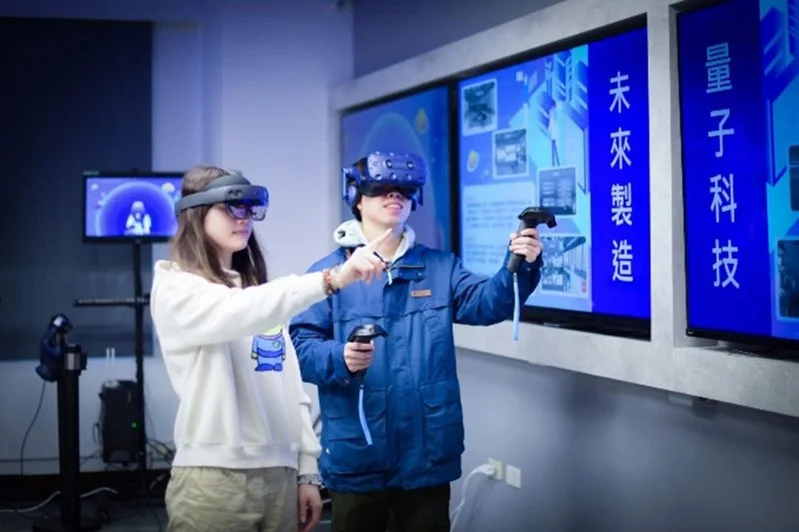
First, in AI technology application, courses across departments are gradually integrating Python programming, data analytics, FinTech, cloud computing, and AI-driven business decision-making. Through cross-department course selection and project-based learning, students can develop their own technological and data competencies according to personal interests and career goals.
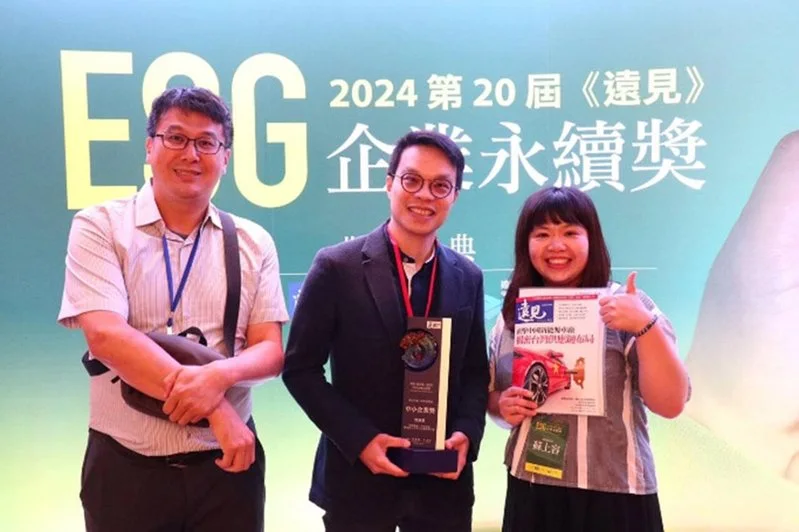
Second, in ESG and sustainability governance, the College has established the Center for Corporate Social Responsibility and ESG Research, collaborating with enterprises and industry-academic partners to promote topics such as sustainable governance, green supply chains, and social innovation. This allows students not only to learn in classrooms but also to understand corporate roles and responsibilities in sustainable development through real-world projects.
Third, in interdisciplinary competency development, the College promotes cross-college courses, corporate internships, and international collaborative projects. It integrates business theory, technological tools, and sustainability practices to cultivate students’ analytical thinking, critical reasoning, and cross-cultural communication skills.
In addition, the long-standing holistic education philosophy of Chung Yuan Christian University is deeply embedded in the College’s talent cultivation model. The university emphasizes respect for nature and human dignity, pursuing harmony among “Heaven, Humanity, Objects, and Self,” with ethics at its core.
As early as 1993, the College of Business pioneered the inclusion of “Business Ethics” as a required course nationwide, ensuring students pursue business success while upholding social responsibility and moral values. Since the 2015 academic year, the university has further integrated “Professional Ethics” as a general required course across all colleges, becoming the first university in Taiwan to fully embed professional ethics into its general education system, demonstrating its strong commitment to character education and social responsibility.
In terms of internationalization, the College continues to strengthen its global connections. Dean Zhang Minlei stated that the College has long promoted EMI (English-Medium Instruction), cross-cultural courses, and overseas exchange programs, enabling students to experience an international learning environment during their studies. Since receiving AACSB accreditation in 2015, the College has joined the top 6% of business schools worldwide, with teaching quality and research excellence internationally recognized. It has also established partnerships with leading universities in Europe, America, and Asia. Among them, the dual bachelor’s degree program with Temple University is a rare high-quality transnational program in Taiwan, providing students with valuable opportunities to connect with global higher education.
Beyond internationalization, the College actively promotes University Social Responsibility (USR) initiatives. Through community development, support for disadvantaged groups, and youth entrepreneurship programs, students apply their professional knowledge to real social issues, cultivating sustainability thinking and social impact. Through diverse learning modes combining coursework, internships, and social practice, students not only enhance professional competence but also understand the interaction between business, society, and the environment, demonstrating the qualities of business professionals with humanistic care.
Looking ahead, the College of Business will continue to adopt “ESG + AI” as its core strategy, deepening interdisciplinary courses, industry-academia collaboration, and international exchange. By combining the holistic education spirit of Chung Yuan Christian University with innovative practice, the College aims to cultivate future business leaders with technological capability, sustainability mindset, and global vision, contributing to industrial transformation and sustainable social development on the global stage.